Screw caps
Threaded caps may use chuck, spindle or other tightening methods. Cap diameter, height, thread engagement and torque window must be known.
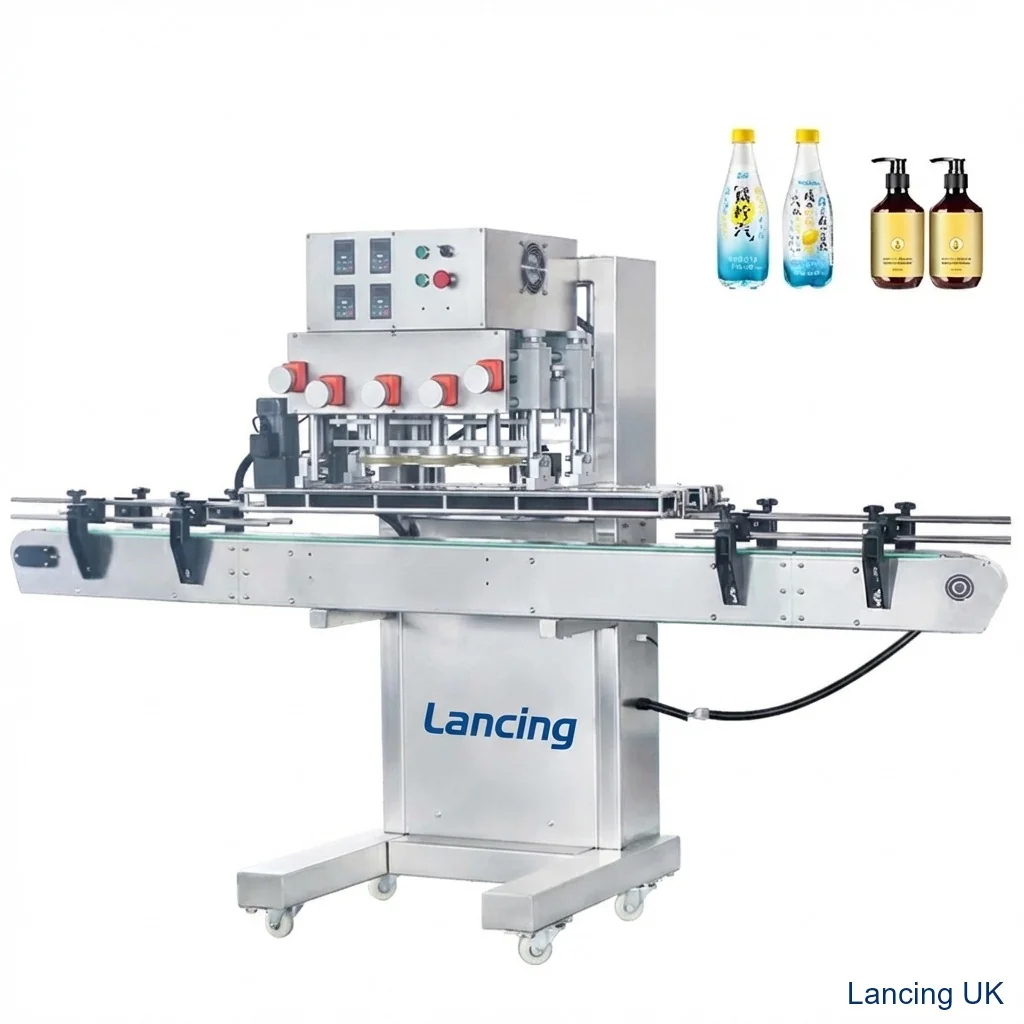
Closure equipment rental
Temporary bottle capper rental matched to the container, closure, torque requirement, output and way caps will be presented.
Check capper availabilityQuick answer
Yes, a capping machine can be considered for short-term or project hire where available equipment is compatible with the bottle, jar or container and its closure. The review includes cap dimensions, thread, torque, container stability and the required output.
Cap application is often the point where small dimensional differences cause production problems. Samples of the container and closure may be required before equipment can be confirmed.
Closure applications
Threaded caps may use chuck, spindle or other tightening methods. Cap diameter, height, thread engagement and torque window must be known.
Long dip tubes and irregular closure shapes can affect cap presentation and container handling. Manual placement may be required for some temporary setups.
Press-on, crimped, pilfer-proof or other formats require the correct tooling and safety review. Availability cannot be inferred from a generic cap description.
Machine fit
The cap and container must behave as a complete system. These details reduce trial time and prevent avoidable line issues.
| Production detail | Why it matters |
|---|---|
| Closure geometry | Diameter, height, thread, tamper band, skirt and top shape influence tooling and tightening method. |
| Container | Material, shape, neck finish, strength and stability affect gripping, back pressure and resistance to applied torque. |
| Torque | The target and acceptable range must protect seal performance without damaging the cap, thread or container. |
| Cap presentation | Hand placement, chute, elevator or sorter changes the automation level, footprint and achievable speed. |
| Line layout | Conveyor height, direction, speed control, accumulation and interfaces with filler or labeller need to align. |
| Quality checks | Leak tests, torque testing, cap presence and visual checks should be defined for the production run. |
Connected production
A temporary capper may operate as a standalone station or as part of a connected line. When it follows a filler, the conveyor, container spacing and control hand-off must keep the filled pack stable.
Where compatible equipment is available, Worthing Ltd can review filling, capping, coding and labelling as one production requirement.
Explore packaging line hire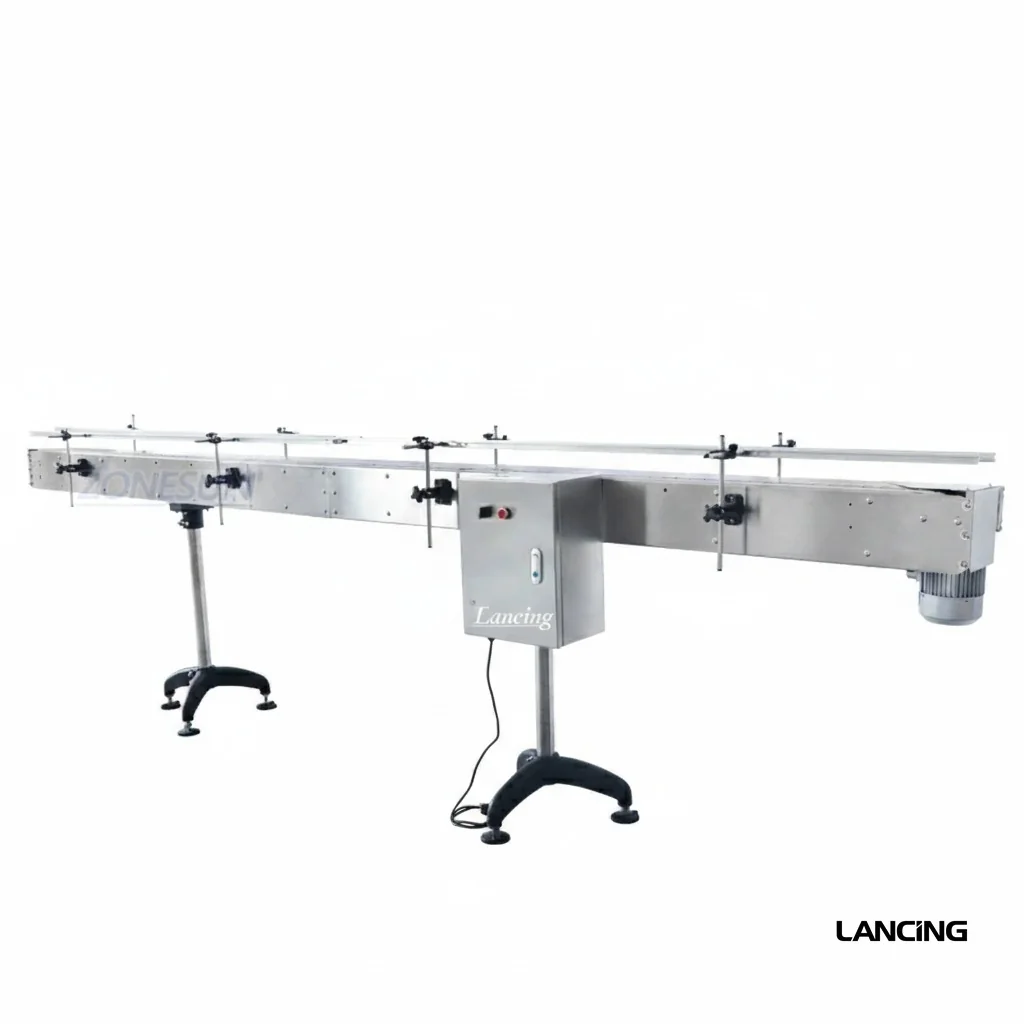
Capping hire questions
Possibly, where the machine range and available change parts cover each container and closure. List every size at enquiry stage so changeover requirements can be assessed.
No. For smaller batches or unusual closures, manual cap placement before a semi-automatic tightening station can be a practical route. Output and operator availability determine whether it is suitable.
The target torque and test method must be agreed, but actual performance depends on the cap, container, product, settings and process control. Samples and validation checks are important.
A combined requirement can be reviewed through filling machine hire or packaging line hire. Compatibility and availability are assessed for the complete application.
Request a capping hire review
Include samples or drawings, output, cap presentation, site and dates for an application-led response.