Filling or dosing
Introduce the product at the required volume or weight using equipment suited to its behaviour and hygiene requirements.
Filling machine hire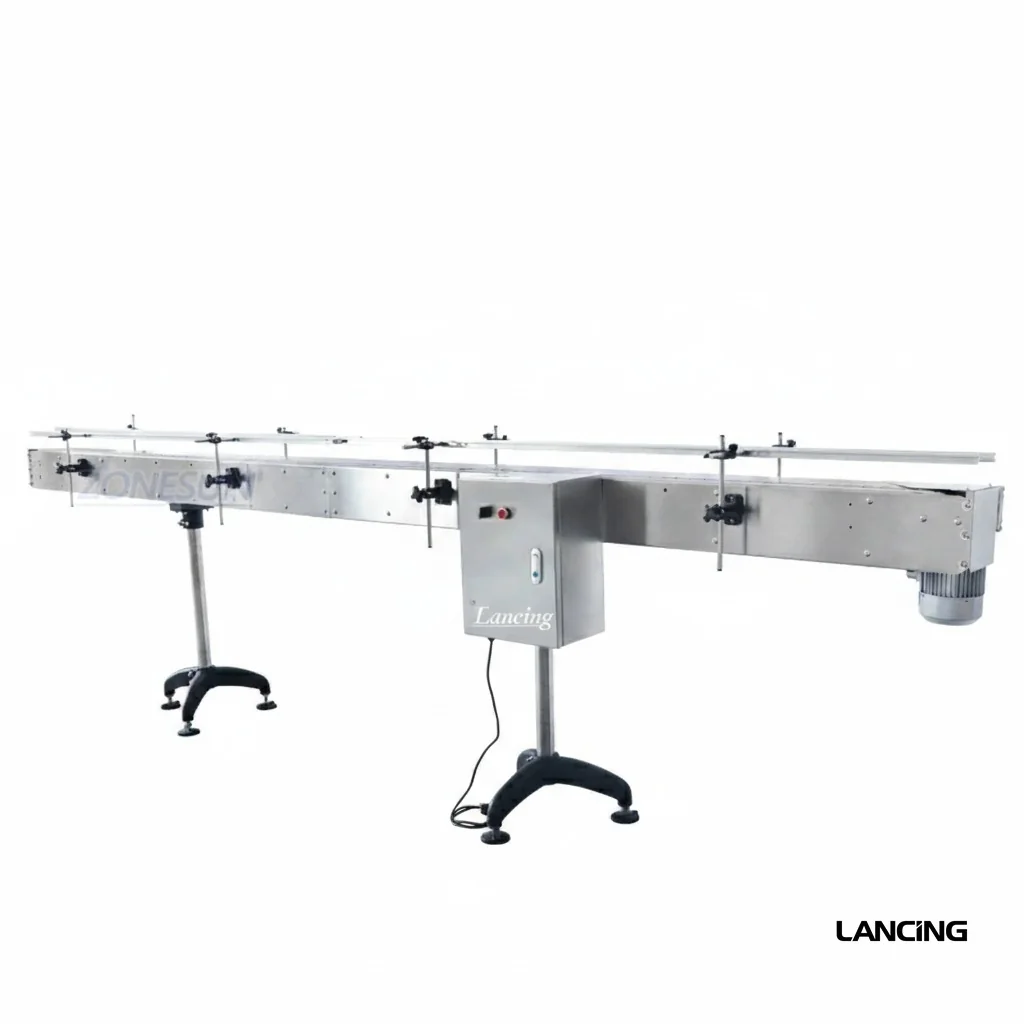
Integrated equipment rental
Plan compatible filling, capping, labelling, coding and conveyor equipment as one temporary production route—matched to your product, pack, output, site and dates.
Discuss a packaging lineQuick answer
A complete or partial packaging line can be considered for rental where compatible equipment is available and the project can be engineered safely within the site. A typical line may combine product filling, container closure, label application, coding and conveyors.
“Complete line” does not mean a universal plug-and-play package. Each station must suit the product and pack, while conveyor heights, control signals, speeds, accumulation and operator access must work together.
Typical line stages
Introduce the product at the required volume or weight using equipment suited to its behaviour and hygiene requirements.
Filling machine hireApply the closure or seal using tooling and settings matched to the container, cap, film or lidding material.
Capping machine hireAdd fixed and variable information in the right position, with suitable labels, inks, sensors and verification.
Labelling machine hireMove, space, guide and accumulate packs between stations while protecting stability and preventing bottlenecks.
Conveyor hireIntegration planning
Line output is limited by the slowest or least stable stage. Integration work makes the whole process practical rather than simply positioning machines together.
| Integration point | What must be agreed |
|---|---|
| Pack flow | Container orientation, pitch, conveyor height, guide rails, transfers and accumulation between every station. |
| Controls | Start, stop, fault, low-product and back-pressure signals so equipment responds predictably to upstream and downstream conditions. |
| Capacity | Realistic rates for each station, changeovers, replenishment, inspection and planned operator tasks. |
| Utilities | Total electrical load, voltage, phase, compressed air, extraction, ventilation, drainage and network requirements. |
| People and safety | Operator positions, guarding, access, manual handling, cleaning and responsibility under the specific hire arrangement. |
| Site layout | Floor condition, route into the building, offloading, door sizes, available footprint and interfaces with retained machinery. |
Right-sized automation
Not every project needs a fully automatic high-speed system. A semi-automatic filler, cap tightening station and standalone labeller linked by short conveyors may offer better flexibility for batches and changeovers.
The correct automation level balances output, labour, floor space, investment in setup and the length of the hire period.
See how hire worksPackaging line questions
Potentially. Supply photographs, drawings, conveyor heights, direction of travel, speeds, control information and utility details. A site assessment may be needed before the interface can be confirmed.
A launch, pilot or defined production campaign can be a suitable reason to explore line rental. Lead time is needed for trials, change parts, layout, logistics and site preparation.
Operating responsibility, training and support are agreed in the specific hire quotation and contract. Do not assume that a rental automatically includes operators or continuous on-site engineering cover.
Possibly, where every station covers the required range and the necessary change parts are available. List all products, containers, closures and labels before the line is scoped.
Start a packaging line review
Share samples, output, layout, utilities, retained equipment and dates for an integrated hire discussion.