Chamber shrink wrapping
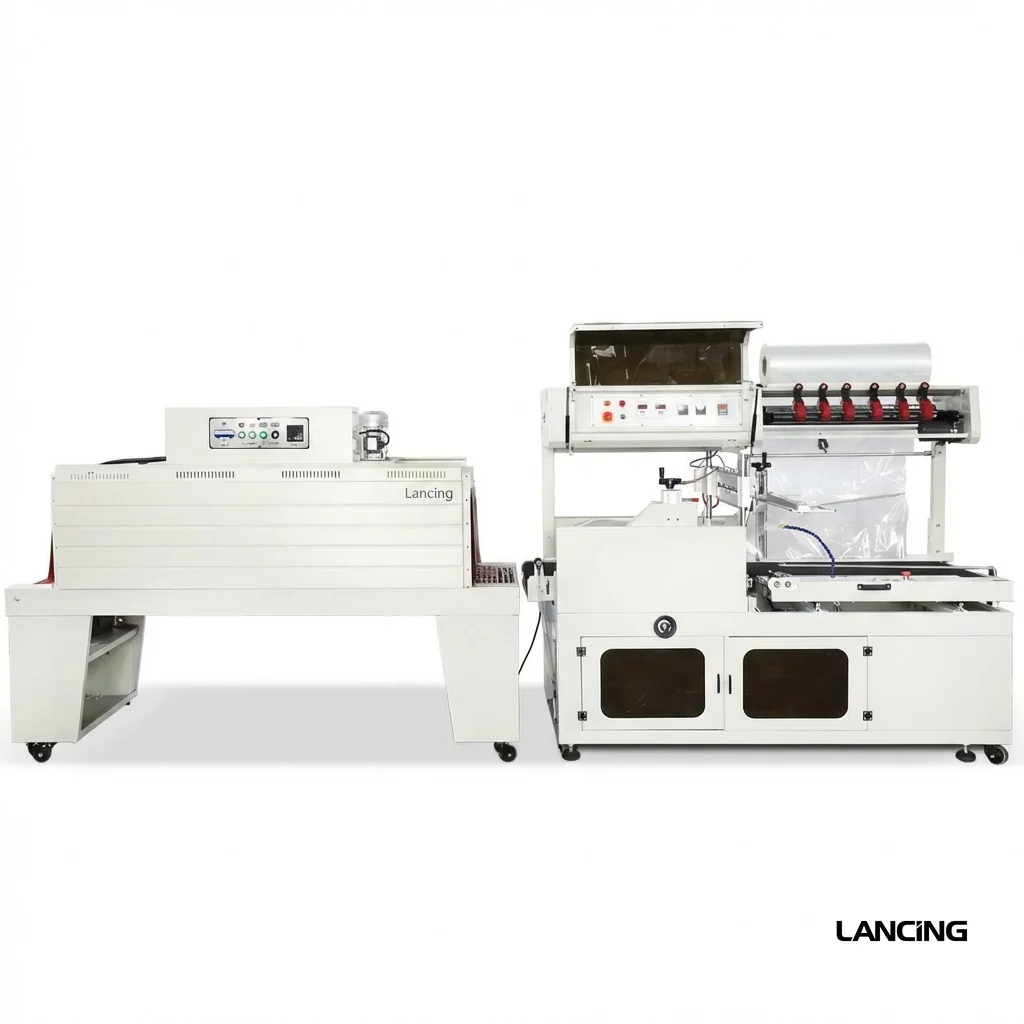
A compact chamber can combine sealing and shrinking for lower-volume products where pack dimensions and film fit the chamber.
Sealing and wrapping rental
Temporary shrink wrapper, sealer and tunnel rental for suitable products, bundles and production runs—reviewed against pack size, film, heat and output.
Check shrink wrapper availabilityQuick answer
Yes. Shrink wrap machine hire may suit a short campaign, seasonal demand, trial pack or temporary requirement. The rental setup can involve a chamber machine, L-sealer and tunnel, sleeve sealer or other compatible shrink process.
The correct route depends on the product dimensions, desired pack appearance, film specification, heat sensitivity, operator input and required speed. Film and product testing may be needed.
Need to secure complete pallets? That is normally a stretch-film process rather than heat shrinking. See our dedicated pallet wrapper hire guidance.
Shrink equipment
A compact chamber can combine sealing and shrinking for lower-volume products where pack dimensions and film fit the chamber.
An L-sealer forms the film enclosure before a separate heated tunnel shrinks it, supporting a wider range of product sizes and outputs.
Sleeve sealing can group bottles, cans, cartons or other units into a supported or unsupported bundle where product stability allows.
Pack development
A good shrink pack balances protection, appearance, film use and production practicality.
| Detail | Why it matters |
|---|---|
| Pack dimensions | Length, width, height, weight and orientation determine seal bar, tunnel opening and conveyor requirements. |
| Product behaviour | Stability, sharp edges, surface finish and sensitivity to heat influence film choice and the suitable process. |
| Film | Material, shrink direction, thickness and width affect sealing temperature, tunnel settings, clarity and strength. |
| Finish standard | Retail presentation, transport protection, tamper indication or simple bundling lead to different priorities. |
| Output | Manual product placement, sealing cycle and tunnel residence time limit achievable packs per minute. |
| Site services | Electrical load, ventilation, space, cooling area, access and safe operator workflow must be planned. |
End-of-line production
Shrink wrapping often sits at the end of a wider line. Product spacing, bundle collation, conveyors, code position and the movement of the warm finished pack all affect the layout.
Worthing Ltd can review the wrapping stage as a standalone requirement or as part of a temporary packaging line, subject to equipment compatibility and availability.
Explore packaging line hire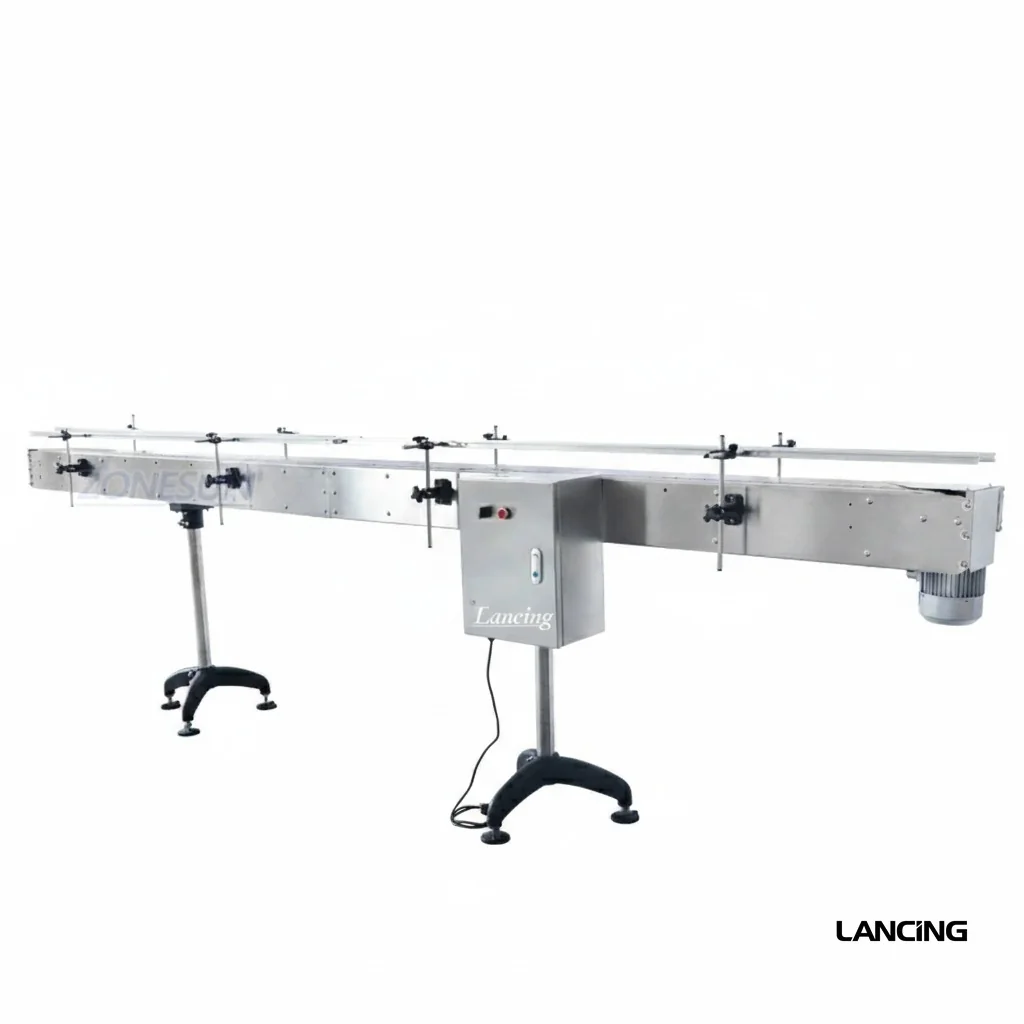
Shrink hire questions
A defined contract or campaign is a common reason to enquire. Provide the total quantity, daily target, dates, pack dimensions and film requirement so the project can be assessed.
Film requirements should be identified during the quotation. The exact film must be compatible with the machine and desired pack, and commercial supply arrangements need to be agreed separately.
Potentially. Bottle shape, bundle pattern, support tray, film strength and stability through the sealer and tunnel must all be reviewed using samples or detailed dimensions.
No. Shrink wrapping uses heat to contract compatible film around a product or bundle. A pallet stretch wrapper applies stretch film under tension around a palletised load.
Electrical demand varies by machine and can be significant. Site voltage, phase, available load, connection and safe isolation must be confirmed before delivery.
Request a shrink hire review
Send dimensions, photographs or samples and site details for an application-led response.
Chamber machines suit compatible lower-volume products, L-sealers and tunnels handle a broader range of presentation packs, and sleeve wrappers can form selected multipacks. Complete pallets are normally stretch wrapped rather than heat shrunk, so the finished pack and production method must be defined first.
Potentially, subject to machine availability and a compatibility review covering the product, bundle, film, output, utilities, site and hire dates.
Provide the film type, width, thickness, roll details and any existing pack samples. The film, sealing method, tunnel and product heat sensitivity must work together.
No. Shrink wrapping uses heat to contract film around a product or bundle, while pallet wrapping normally stretches film around a palletised load without a shrink tunnel.
Film name and thickness are only part of the setup. Record roll width, core size, outside diameter, winding arrangement and whether film is folded or flat for the proposed machine. An existing film stock may need review even when it has previously run successfully on another wrapper.
A new pack dimension may require a different enclosure, support or film width rather than only a temperature adjustment. List the pack sequence and the settings or parts that change between formats. Include the label or code position so the finished presentation remains readable after wrapping.
Agree how the initial approved pack is retained and which checks recur after a roll change, restart or format change. Observe seal position, film tracking, pack movement and the cooled appearance. Keep any unapproved output identified until its disposition is decided; do not automatically mix the first trial pieces with accepted campaign stock.
Allow for the agreed trial, setup pieces, roll ends and normal process loss when estimating film requirements. Use observed trial consumption where available and state assumptions where it is not. Confirm film supply responsibility with the rental scope, then coordinate the coding stage and connected line around the selected pack.