Impulse or heat sealing
Suitable thermoplastic materials may be sealed in a timed cycle. Jaw length, heat profile, cooling and operator loading affect the result.
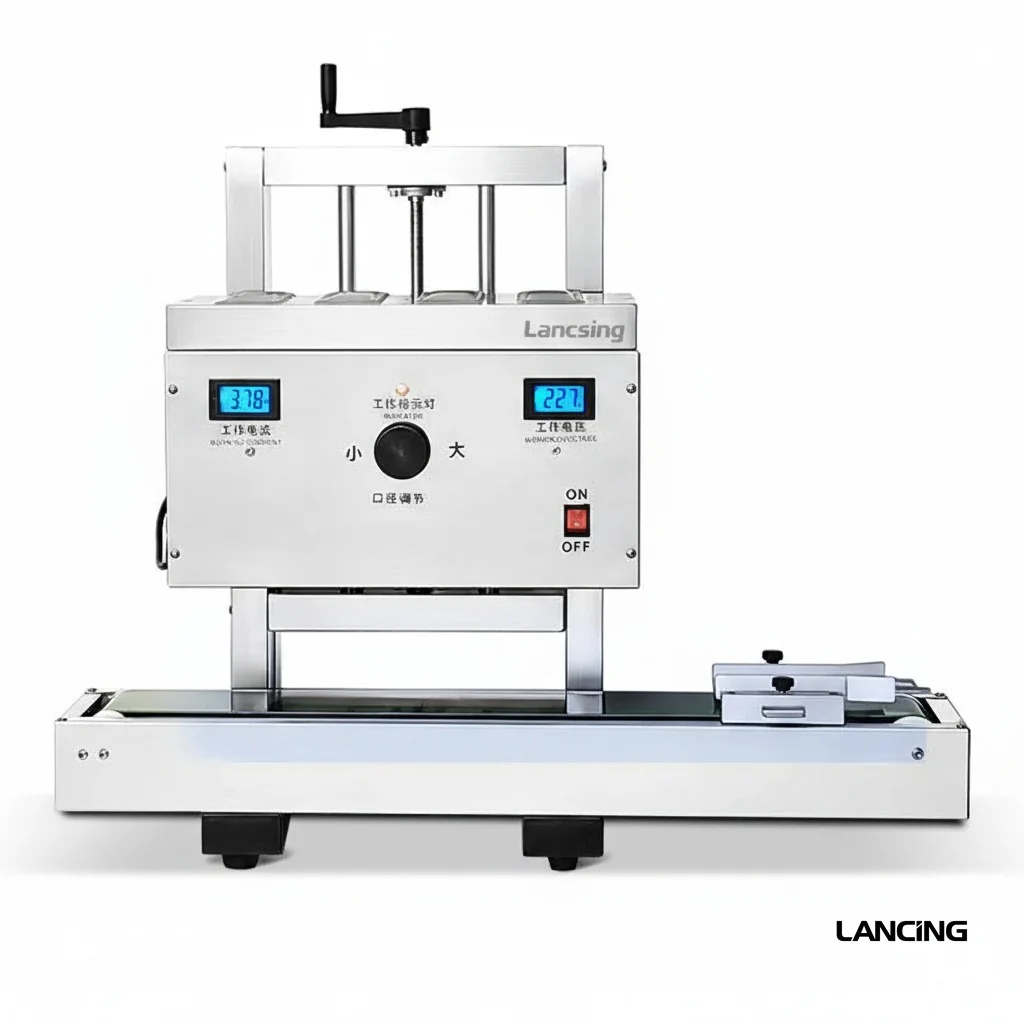
Bag, film and container sealing
Temporary sealing equipment for compatible bags, films, sleeves and containers—reviewed against the material, seal geometry, product, integrity standard and output.
Check sealing machine availabilityQuick answer
Yes. Sealing machine hire may be considered for a production campaign, trial, temporary capacity or breakdown cover where suitable equipment is available. “Sealing machine” can mean several different processes, so the pack material and required seal need to be defined first.
A heat sealer for a thermoplastic bag, a band sealer for a continuous pouch, an L-sealer for shrink film and an induction system for a lined container closure are not interchangeable.
Sealing processes
Suitable thermoplastic materials may be sealed in a timed cycle. Jaw length, heat profile, cooling and operator loading affect the result.
A band sealer can move compatible bags or pouches through heated and cooling sections where pack support and seal cleanliness allow.
An L-sealer creates the film enclosure before shrinking. Product size, film and the downstream tunnel must be considered together.
A suitable induction head can heat a compatible foil liner after capping. Closure, liner, container and line speed determine feasibility.
Seal integrity
A seal is a quality function, not just a machine setting.
| Production detail | Why it matters |
|---|---|
| Material structure | Polymer type, coating, thickness and print can change the workable heat, time and pressure window. |
| Seal geometry | Width, length, folds, gussets and product clearance determine the jaw or band arrangement. |
| Product condition | Powder, liquid, oil or particles in the seal area can prevent a repeatable closure. |
| Acceptance standard | Visual finish, peel strength, leak resistance or tamper evidence may require different checks. |
| Handling | Filled-pack weight, orientation and cooling time affect conveyors, operator work and achievable speed. |
| Integration | Upstream filling, coding, guarding and downstream handling must respond correctly to stops and restarts. |
Prove the pack
Representative packs and material specifications help establish whether a process can produce the required seal. Trials should include normal starts, stops, temperature stabilisation, material changes and the expected range of product presentation.
Where sealing sits inside a wider bagging or wrapping process, review the complete line rather than treating the sealer in isolation.
Explore form-fill-seal hire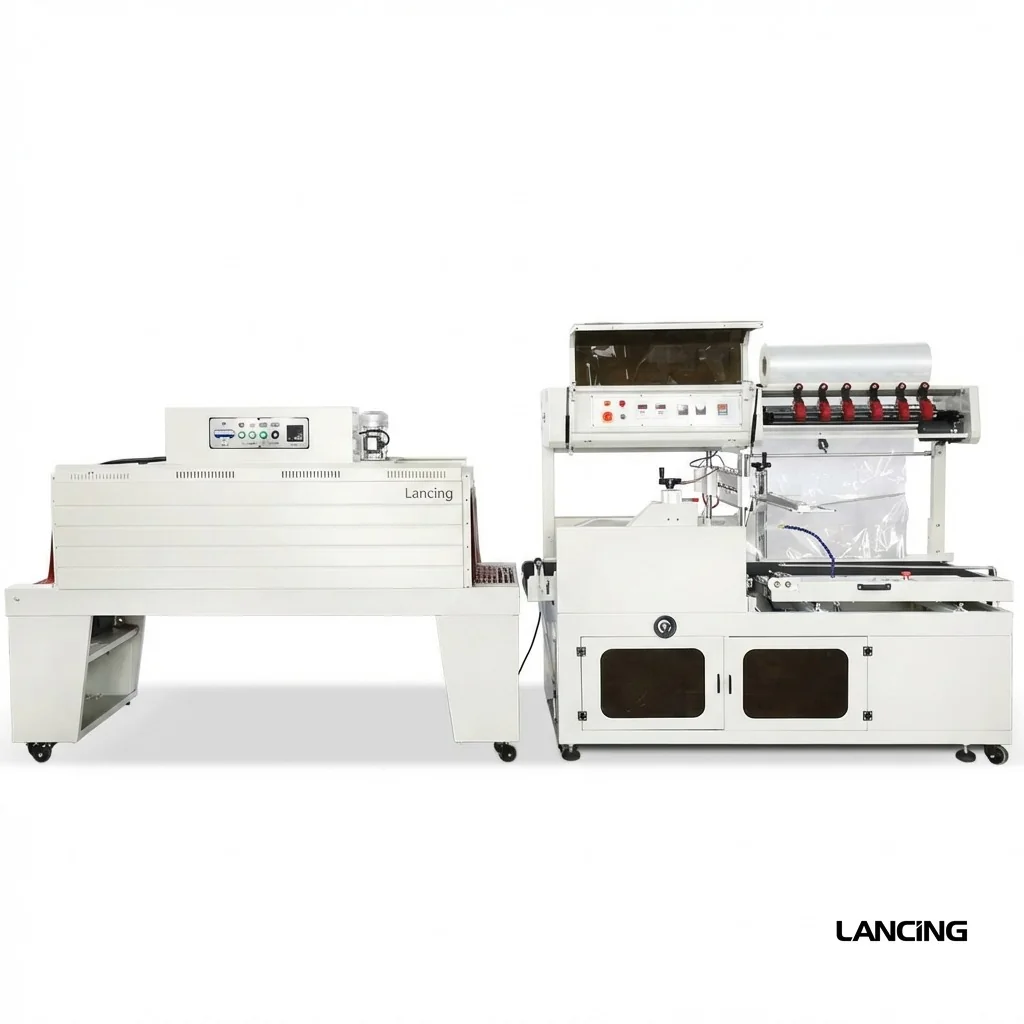
Sealing hire questions
Potentially. Send the bag or film structure, dimensions, filled weight, product, target seal and required speed. Samples may be needed before suitability can be confirmed.
Only where the material range and seal geometry fit the machine’s operating window. Each material should be declared and tested; settings alone cannot make incompatible structures seal reliably.
Heat sealing forms the film joint. Shrink wrapping normally combines sealing with controlled heat that tightens shrink film around the product or bundle.
Request a sealing review
Representative material samples and a clear definition of an acceptable seal are especially useful.